
Sushi is more than just raw fish and rice; it’s a centuries-old culinary tradition rooted in Japanese culture, artistry, and respect for ingredients. Whether you’re a seasoned sushi lover or planning your very first bite, understanding the basics can enhance your dining experience exponentially. Let’s explore the rich history and different styles that make this cuisine so globally adored.
A Brief History: From Preservation to Delicacy
The origins of sushi might surprise you! It didn’t start as a dining delicacy but as a practical method of preserving fish. Known as Narezushi, this ancient form originated in Southeast Asia and spread to China before reaching Japan around the 8th century. Fish was salted and wrapped in fermented rice, which preserved the fish (the rice was discarded).
It wasn’t until the Edo period in Japan (1603-1868) that the process evolved. Fast-food vendors in Edo (now Tokyo) started serving fresh fish quickly with rice that was mixed with vinegar—a practice that both sped up the fermentation process and made the rice edible. This gave rise to Nigiri-zushi, the quick, hand-pressed style most people recognize today, making sushi the street food it once was.
Deciphering the Sushi Menu: Key Styles Explained
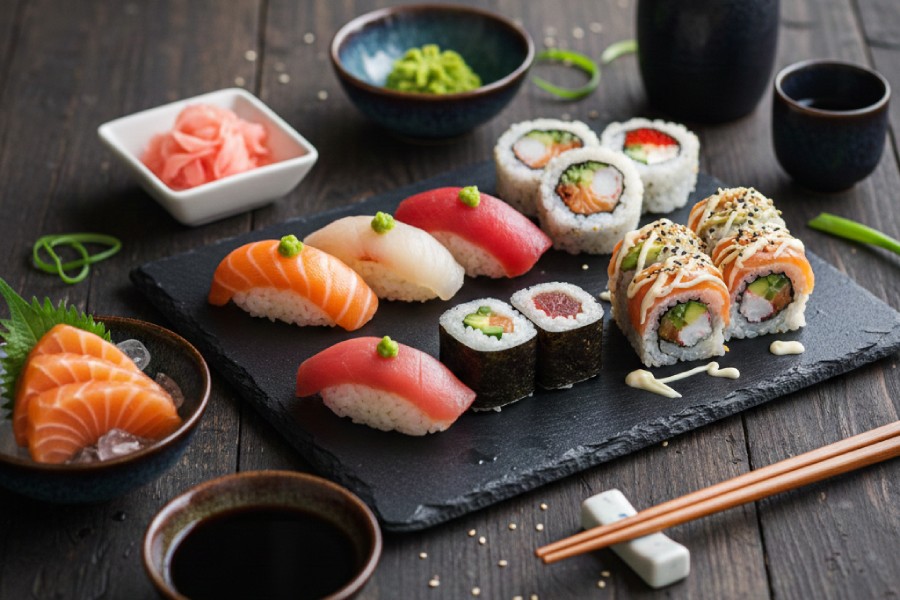
The term “sushi” technically refers to any dish made with vinegared rice (sumeshi). The type of topping or wrapping determines its specific name. Here are the main categories you’ll encounter:
- Nigiri (Hand-Pressed): This is the simplest and most traditional form. It features a mound of vinegared rice topped with a slice of fish or seafood. It’s all about the quality of the fish and the perfect texture of the rice.
- Sashimi (Sliced Fish): *Crucially, sashimi is **not** sushi.* It is purely thinly sliced, high-quality raw fish or seafood, served without rice. It’s a pure showcase of the chef’s knife skills and the fish’s flavor.
- Maki (Rolled Sushi): Fish, vegetables, or other fillings are placed on rice and rolled inside a sheet of seaweed (nori) using a bamboo mat (makisu).
- Hosomaki: Thin rolls, typically with only one filling (e.g., cucumber or tuna).
- Futomaki: Thick rolls, featuring multiple colorful fillings.
- Uramaki (Inside-Out Roll): Popularized outside of Japan (like the California Roll), the rice is on the outside of the nori, often coated with sesame seeds or roe.
- Temaki (Hand Roll): Rice and ingredients are loosely rolled into a cone shape using nori. These are meant to be eaten immediately while the seaweed is crisp.
Etiquette Essentials: Dining Like a Pro
While the goal is always to enjoy your meal, a few simple tips can help you appreciate the chef’s work and tradition:
- Use Your Hands: It’s perfectly acceptable (and often preferred) to eat Nigiri with your hands. Chopsticks are generally used for Sashimi, rolls, and side items.
- Dipping Properly: Dip the fish side (not the rice side!) of Nigiri into the soy sauce. Dipping the rice causes it to absorb too much soy and fall apart.
- A Little Ginger Goes a Long Way: The pickled ginger (gari) is intended to be a palate cleanser, eaten *between* different types of fish, not on top of the sushi.
- Go Easy on the Wasabi: In most authentic sushi restaurants, the chef adds a small amount of wasabi between the fish and the rice. Asking for extra and mixing it into your soy sauce can be considered impolite, as it suggests the chef’s seasoning was inadequate.
Whether you’re exploring the delicate balance of Nigiri or the creative complexities of Uramaki, sushi is a culinary journey of discovery. Find a place that respects the tradition and uses the freshest ingredients, and you’re guaranteed an exceptional experience.
Ready to Experience the Art?
If you’re in the Lake Stevens, WA area and craving an authentic, high-quality sushi experience, we invite you to visit us at **Kiyama Sushi**.
We pride ourselves on fresh ingredients and expert craftsmanship. Stop by today!
Address: 8011 20th St SE, Lake Stevens, WA 98258
Phone: (425) 610-4379
Email: contact@sushikiyama.com
We look forward to serving you!