
Understanding Sushi and Sashimi: What Sets Them Apart?
When dining at a premier establishment like Kiyama Sushi & Bar, understanding the differences between sushi and sashimi can enhance your dining experience. Sushi features vinegared rice paired with seafood or other ingredients, while sashimi is thinly sliced raw fish served without rice. Both offer distinct flavors and textures but differ in nutritional makeup.
Caloric Content and Macronutrients
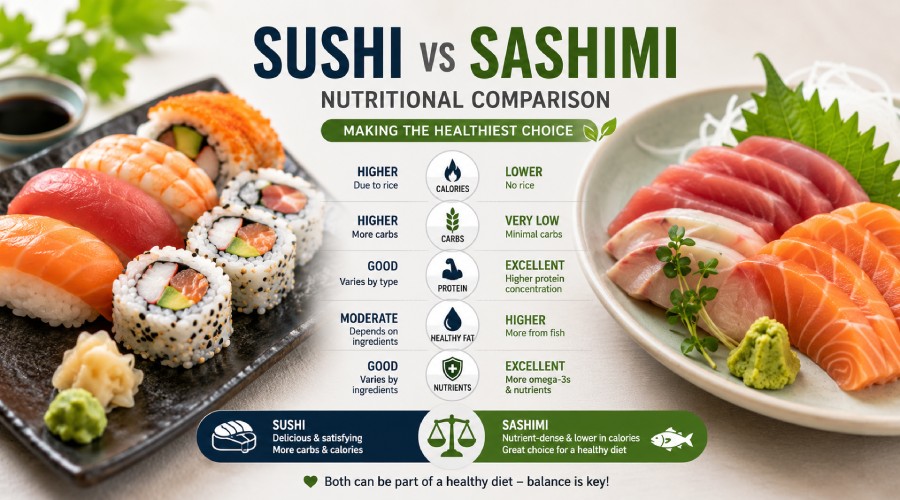
Sushi generally includes rice, which contributes carbohydrates and increases the calorie count compared to sashimi. For example, a typical piece of nigiri sushi has between 40-60 calories, largely due to the rice component, whereas similar-sized sashimi pieces contain roughly 25-40 calories, primarily from protein.
The presence of rice in sushi means higher carbohydrate content, which can be a consideration for those monitoring carb intake or on weight-loss plans. Sashimi, by contrast, is virtually carbohydrate-free, making it a lean protein source.
Protein and Fat Profiles
Both sushi and sashimi use fresh fish, providing high-quality protein and healthy omega-3 fatty acids. Sashimi tends to offer slightly higher protein concentration per serving since it lacks rice dilution. Varieties like salmon and tuna deliver beneficial fats that support heart health.
Sushi rolls often include additional ingredients like avocado, mayonnaise-based sauces, or tempura, which may increase fat and calorie content. Choosing simpler nigiri or sashimi can help maintain a leaner nutritional profile.
Micronutrients and Health Benefits
Seafood is an excellent source of essential vitamins and minerals including vitamin D, B vitamins, selenium, and iodine. Whether enjoyed as sushi or sashimi, these micronutrients support metabolism, thyroid function, and immune health.
Rice in sushi contains small amounts of manganese and magnesium but lacks the concentration of micronutrients you get from fish. Some sushi rolls are enhanced with vegetables, adding fiber and antioxidants.
Considerations of Sodium and Additives
Traditional sushi may be served with soy sauce, which contains significant sodium. Moderating soy sauce use benefits cardiovascular health. Sashimi’s simple presentation often encourages lighter seasoning, helping reduce sodium consumption.
At Kiyama Sushi & Bar, the focus on fresh, high-quality ingredients ensures you enjoy authentic flavors without unnecessary additives or fillers, promoting a healthier meal choice.
Choosing the Healthiest Option for You
For those aiming to manage calorie intake or follow low-carb diets, sashimi is often the preferable choice due to its minimal carbohydrates and pure protein content. Sushi provides a more balanced macronutrient profile thanks to vinegared rice but may include higher carbs and calories.
Explore our healthiest sushi rolls for weight loss guide to discover rolls tailored for nutrition-conscious diners.
Pairing and Enjoyment Tips
Elevate your dining experience with thoughtfully chosen pairings. Our article on unique sake pairings with sushi dishes offers insights into complementing your meal’s flavors while considering healthful balance.
If you’re new to sushi, browse The Essential Sushi Dining Guide for etiquette and pairing tips to enhance your meal at our bar.
Final Thoughts
Both sushi and sashimi deliver delicious ways to enjoy nutrient-rich seafood. Your choice depends on dietary goals and flavor preferences. Sashimi is ideal for lean protein with minimal carbs, while sushi offers a more rounded taste with rice-based carbohydrates. At Kiyama Sushi & Bar, our expert chefs craft dishes that honor tradition and nutritional balance, inviting you to savor authentic, fresh, and healthful Japanese cuisine.